
Why Do Soldering Iron Tips Wear Out Quickly?
Why Do Soldering Iron Tips Wear Out Quickly? 7 Causes and How to Extend Tip Life
Last updated: July 2026 | Reading time: 6 minutes | Category: Technical Guide
If your soldering tips are wearing out faster than expected, you’re not alone. Tip wear is the single most common complaint in electronics soldering — and it costs manufacturers thousands of dollars every year in replacements, downtime, and rework.
The good news: most tip wear is preventable. Understanding what actually causes it is the first step to choosing better tips and reducing your cost per solder joint.
What “Tip Wear” Actually Means
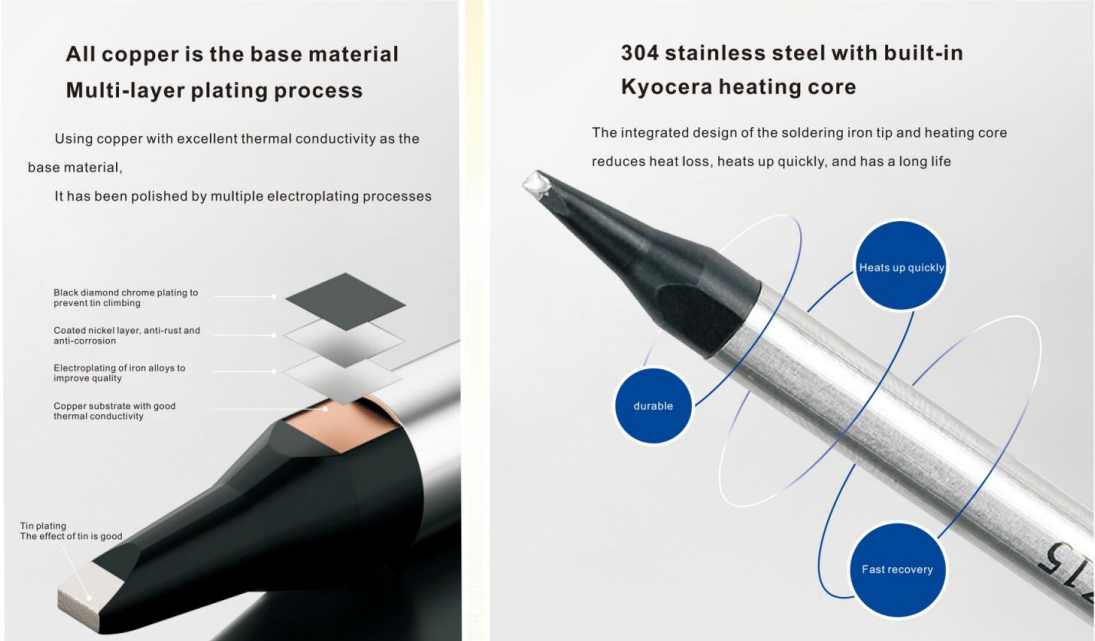
A soldering iron tip isn’t a single piece of metal. It’s a layered structure: a copper core for heat conductivity, an iron plating layer for wear resistance, and often a chrome or nano-coating on the surface for oxidation protection.
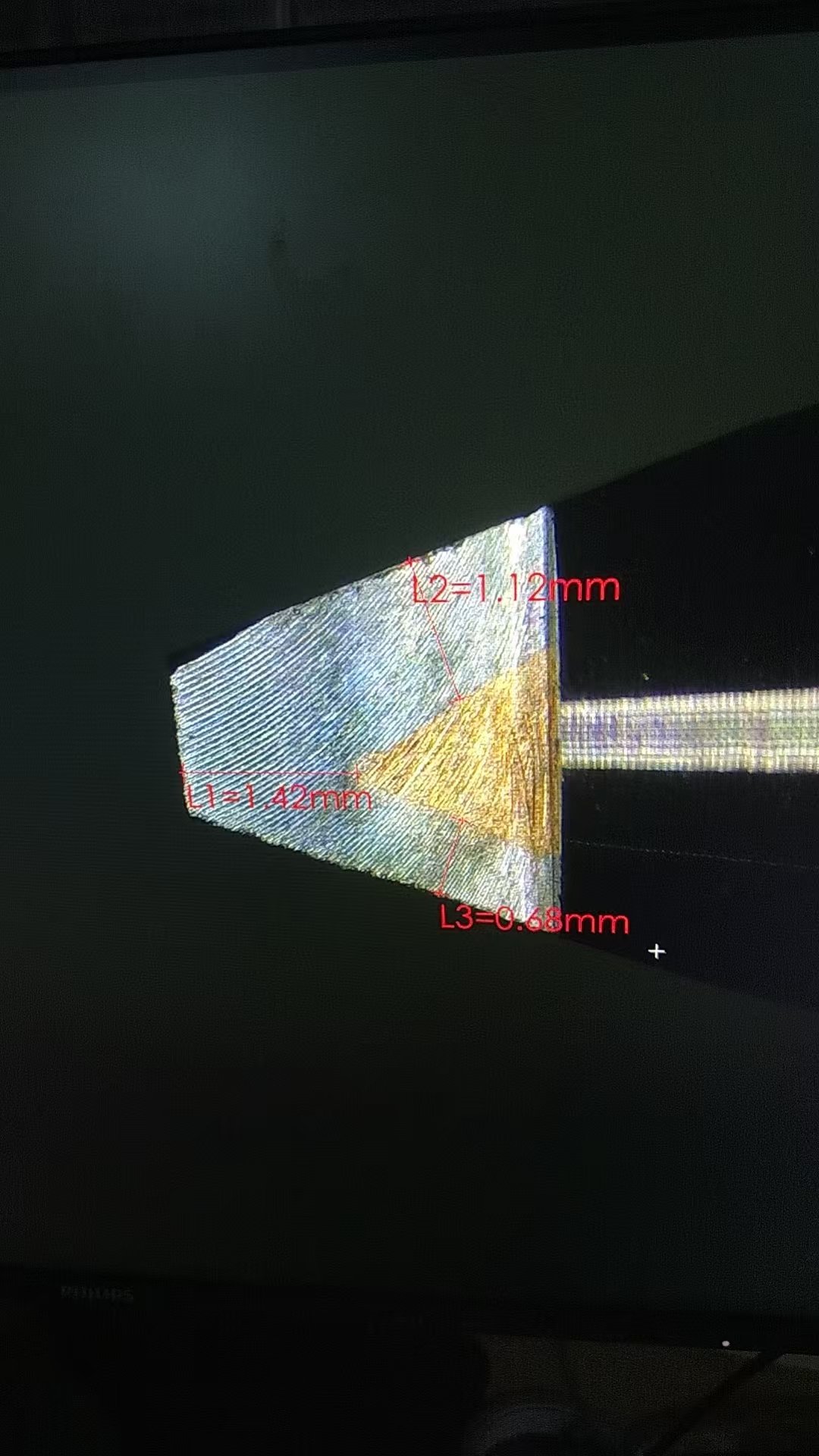
When people say a tip “wore out,” what they really mean is the iron plating has been compromised — exposing the copper underneath. Once copper is exposed, it dissolves into the solder rapidly (this is called “tin eating” or “erosion”), and the tip becomes unusable within hours.
So the real question is: what destroys the iron plating?
7 Common Causes of Soldering Tip Wear
1. Excessive Temperature
The #1 killer of soldering tips. At temperatures above 400°C, the iron dissolution rate into molten solder increases exponentially. Many operators set stations to 420°C “for faster heating” — but this can cut tip life by 60-70%.
Best practice: Use the lowest temperature that still achieves reliable wetting. For lead-free solder (SnAgCu), 340-370°C is usually sufficient. For leaded solder (Sn63/Pb37), 300-340°C works well.
2. Dry Soldering (Heating Without Solder)
Leaving a hot tip exposed to air without solder on the working surface causes rapid oxidation. The oxide layer blocks wetting, so operators compensate by filing or wiping aggressively — which mechanically removes the iron plating.
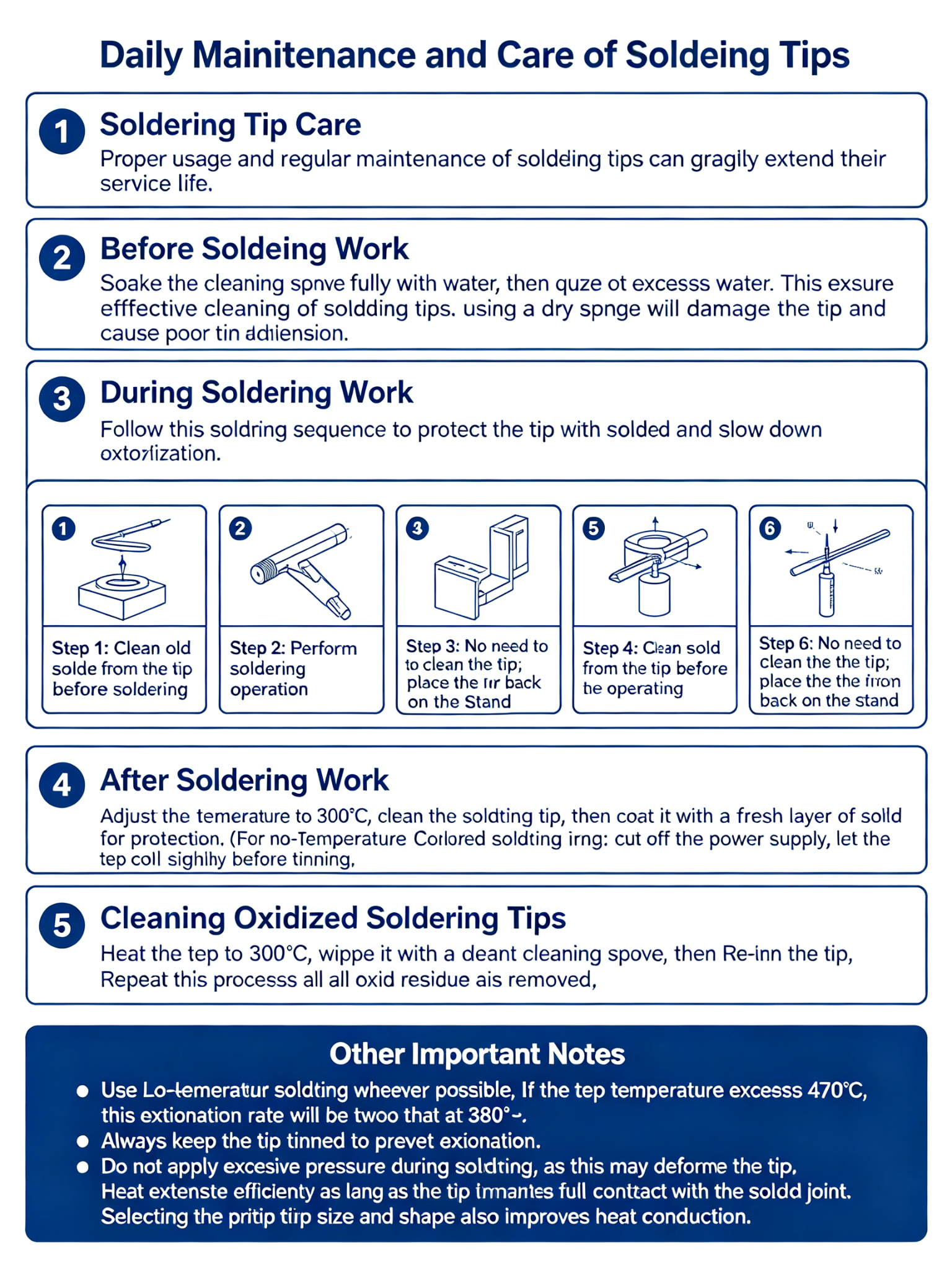
Best practice: Always “tin” the tip before and after each soldering session. A thin layer of fresh solder on the tip protects the iron plating from air exposure.
3. Aggressive Flux and Cleaning Agents
Certain flux formulations — especially highly activated rosin (RA) fluxes and some no-clean formulas — contain chlorides and organic acids that chemically attack the iron plating. Similarly, using abrasive tip cleaners (metal brushes, sandpaper) wears through the plating mechanically.
Best practice: Use a damp cellulose sponge or brass wire cleaner for routine wiping. Reserve chemical tip tinner/retinner products for oxidized tips — not as daily maintenance.
4. Mechanical Abrasion
Every contact between the tip and a surface causes microscopic wear. In automated soldering systems, tips may contact PCB pads, component leads, or fixtures thousands of times per hour. High contact pressure accelerates this wear dramatically.
Best practice: In automated systems, calibrate contact pressure precisely. Even a 20% reduction in contact force can double tip life. Use tip shapes that match the joint geometry to minimize unnecessary contact area.
5. Thermal Cycling
Heating up and cooling down repeatedly creates thermal stress in the iron plating layer, causing micro-cracks. Once cracks form, molten solder penetrates and dissolves the copper core underneath — the tip fails suddenly, not gradually.
Best practice: For intermittent use, use sleep/standby mode instead of full power-off and reheat. Keep the station at a lower standby temperature (200-250°C) rather than cycling between room temperature and 350°C+.
6. Wrong Tip for the Application
Using a fine chisel tip for heavy ground connections, or a knife tip for through-hole rework, forces the tip to work outside its design parameters. The small thermal mass can’t sustain the required heat, and the operator compensates by increasing temperature or pressure — both destructive.
Best practice: Match tip size and shape to the thermal mass of the joint. As a rule, the tip contact area should be at least 2-3x the area of the solder joint.
7. Poor-Quality Tip Manufacturing
Not all soldering tips are made equal. The most common manufacturing缺陷 that cause premature wear:
- Insufficient iron plating thickness — Premium tips use 0.3-0.5mm iron layer; budget tips may use only 0.05-0.1mm
- Uneven plating — Thin spots wear through first, creating failure points
- Poor copper substrate purity — Impurities cause voids and adhesion failure in the iron layer
- Inadequate surface finish — Rough surfaces oxidize faster and create inconsistent wetting
This is why two visually identical tips can have lifespans differing by 3-5x. The difference is in manufacturing quality — particularly the iron plating process.
How to Choose Tips That Last Longer
When evaluating soldering tip suppliers, ask these specific questions:
| What to Ask | Why It Matters |
|---|---|
| Iron plating thickness? | ≥0.3mm for industrial use; thinner plating = shorter life |
| Copper substrate purity? | ≥99.9% pure copper ensures even heat transfer and plating adhesion |
| Plating process — electroplated or hot-dipped? | Electroplating gives more uniform, controlled thickness |
| Do you offer OEM/ODM customization? | Custom specs allow you to optimize tips for YOUR specific process |
| What is your QC tolerance? | ±0.01mm indicates precision CNC manufacturing capability |
The Bottom Line
Tip wear is caused by a combination of thermal stress, mechanical abrasion, chemical attack, and manufacturing quality. You can control the first three through operator training and process optimization. The fourth — manufacturing quality — is determined before the tip ever reaches your factory.
Investing in higher-quality tips from a reliable manufacturer doesn’t just extend tip life — it reduces downtime, improves solder joint consistency, and lowers your total cost per assembly.
Need Longer-Lasting Soldering Tips?
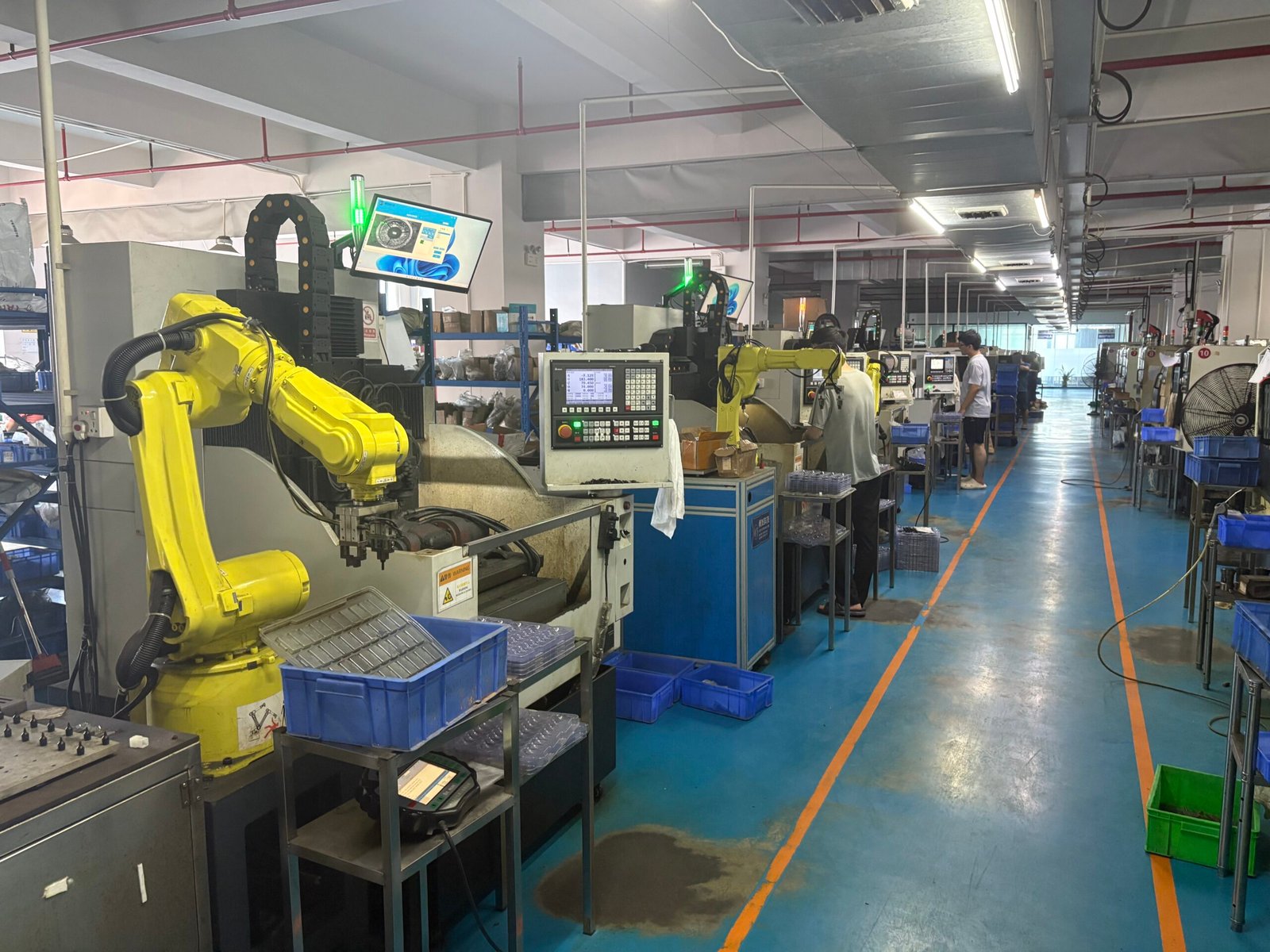
Zhongzhen manufactures precision soldering tips with ≥0.3mm iron plating, ±0.01mm CNC tolerance, and full OEM/ODM support. 300,000+ pcs monthly capacity.
Frequently Asked Questions
How long should a soldering iron tip last?
In continuous industrial use, a quality tip should last 5,000-10,000 solder joints. In manual use with proper maintenance, a good tip lasts 1-3 months of daily use. Budget tips may fail within days.
Can I repair a worn soldering tip?
Mild oxidation can be addressed with tip tinner/retinner. However, once the iron plating is worn through and copper is exposed, the tip cannot be repaired — it must be replaced. This is why preventive maintenance matters.
Does tip shape affect wear rate?
Yes. Fine pointed tips wear faster than chisel or hoof tips because the smaller surface area concentrates heat and mechanical stress. Choose the largest tip that still fits your joint geometry.
What temperature should I set my soldering station to?
For lead-free solder: 340-370°C. For leaded solder: 300-340°C. Never exceed 400°C unless specifically required by your process. Lower temperature = significantly longer tip life.
How do I know if my tip supplier is using quality materials?
Ask for iron plating thickness specifications (should be ≥0.3mm for industrial tips), copper substrate purity (≥99.9%), and whether they use electroplating (more uniform) vs. hot-dip plating. A reliable supplier will provide these specs willingly. Learn more about precision soldering tip manufacturing →