
Weller-Compatible Soldering Tips for a U.S. Automotive Electronics Manufacturer
Case study — United States · Automotive electronics · Weller robotic soldering lines
| Project facts | Details |
|---|---|
| Customer | A Tier-2 automotive electronics manufacturer in the U.S. Midwest (name withheld) |
| Products | EV charging control boards and automotive connector assemblies |
| Equipment | Weller automatic soldering robots (DV1 systems) |
| Tips involved | XJ-DV2 double V-groove, XT-DV1 V-groove, XT-60DV1 heavy-load series |
| Pain point | Original tip cost, 6–10 week import lead time, line-down risk |
| Outcome | Stable second source, cost per joint reduced, zero line stoppages from tip supply |
Customer Background
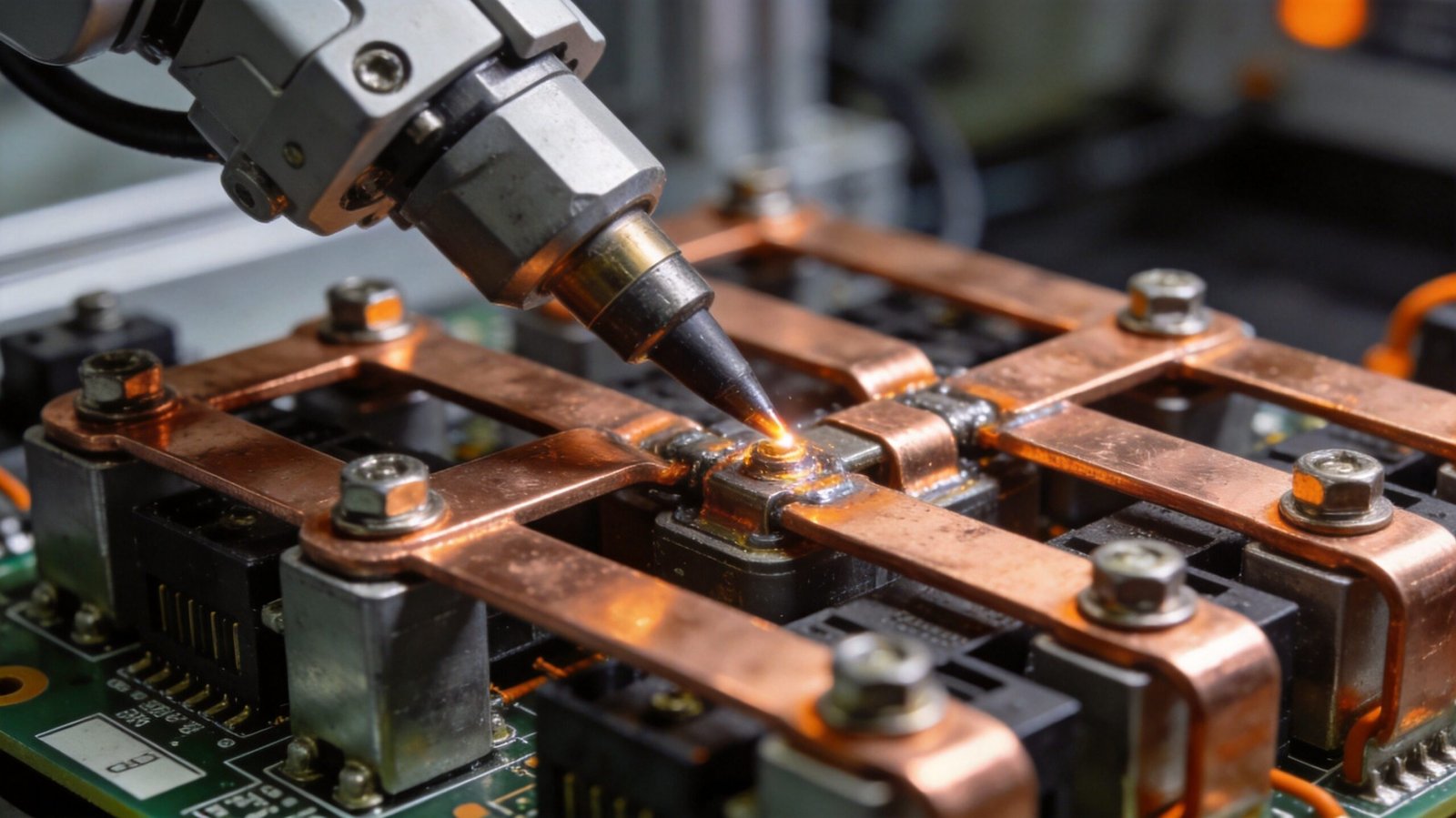
The manufacturer runs several Weller automatic soldering cells producing control boards for electric-vehicle charging systems. Production is high-mix, high-volume: one shift solders fine-pitch signal connectors, the next handles heavy power terminals and thick copper bus bars.
The line was built around genuine Weller DV1 cartridges, and the process had been validated around them. The problem was never whether the original tips worked — they did — but the commercial and supply reality of running a 24/5 line on a single, imported consumable.
The Problem: A Single-Source Consumable on a Continuous Line
Three issues pushed the procurement and engineering teams to look for a qualified second source:
- Long, unpredictable lead times. Genuine cartridges ordered through the distributor routinely took 6–10 weeks, and occasional allocation periods stretched that further. Forecasting consumables this precisely was unrealistic.
- Heavy tip consumption. Drag-soldering multi-pin automotive connectors wears V-groove profiles continuously. The plant was consuming hundreds of cartridges per month, making unit price a material cost line rather than a rounding error.
- No buffer for the heavy sizes. The XT-60-class large tips for power terminals were the slowest to arrive and the most expensive to air-freight in an emergency. The plant twice paid expedited shipping to avoid a stopped line.
Engineering had one non-negotiable requirement: any alternative had to be a drop-in replacement that did not force them to reprogram the robots or revalidate the soldering profile.
Requirements
- Exact seating and heater geometry for Weller DV1 systems — plug-and-play, no holder modification
- V-groove profiles that deposit an even solder volume across every pin in a single drag pass
- Heavy-mass tips that hold temperature on large power pads without collapsing
- Iron plating specified for lead-free, continuous-operation duty
- Batch-to-batch consistency with documentation, not just a cheap first sample
- A supplier that could hold stock and ship on a repeatable schedule
Our Solution
Our engineering team treated this as a qualification project, not a one-off sale.
1. Application and joint analysis. We reviewed the connector pitch, lead diameters, copper weights, and the existing machine program. We mapped three tip families to the work:
| Workstation | Joint type | Tip specified |
|---|---|---|
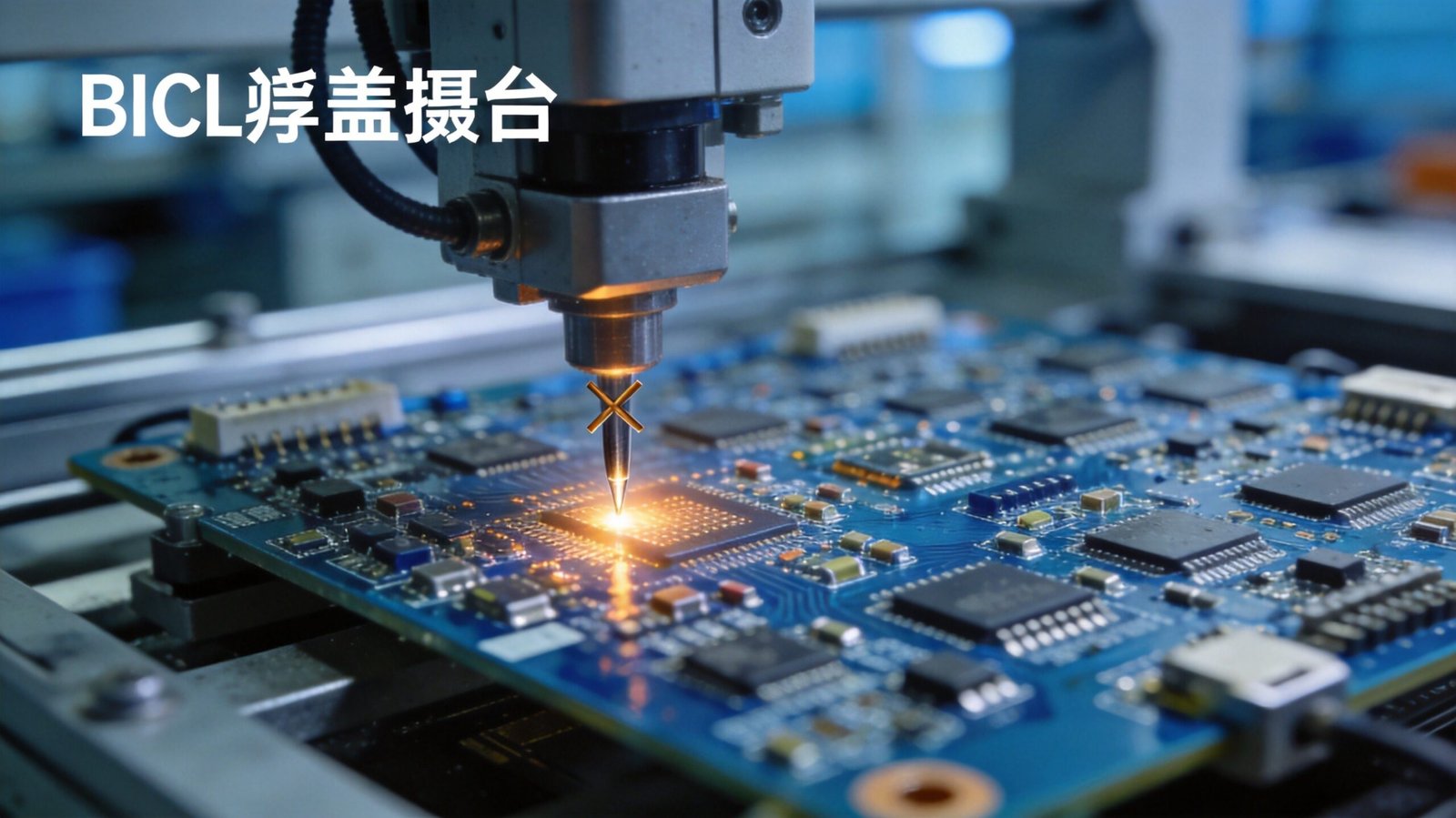
| Signal connector drag soldering | Multi-pin, fine pitch | XJ-DV2 double V-groove |
| General single-row connectors | Standard rows | XT-DV1 V-groove |
| Power terminals and bus bars | Heavy thermal mass | XT-60DV1 wide DV1 |
2. Reverse-engineered to match — not to approximate. Tips were machined from high-purity oxygen-free copper with critical seating and contact dimensions held to ±0.01 mm, so the existing robot program and approach angles carried over unchanged.
3. Plating specified for the application. Because the line runs lead-free SAC alloy around the clock, we specified heavy, lead-free-compatible iron plating rather than a generic coating, and supplied XRF plating-thickness reports with the batch. Plating selection follows our iron plating thickness guide for industrial soldering.
4. Prototype → line validation → controlled ramp. We sent pre-production samples, the customer ran them on the real machines alongside originals, and only after their AOI and quality data matched did we move to production volume.
Results
| Metric | Before (single-source original) | After (Zhongzhen qualified second source) |
|---|---|---|
| Supply lead time | 6–10 weeks, allocation risk | Stable, planned shipments with safety stock |
| Emergency air freight | Twice per year | Eliminated |
| Cost per solder joint | Baseline | Reduced meaningfully across the three families |
| Robot reprogramming | — | None required (drop-in) |
| Tip-supply line stoppages | At risk | None since qualification |
The customer kept genuine cartridges available for certain validated stations — a sensible dual-source strategy — but moved the bulk of high-consumption V-groove and heavy-mass spending to Zhongzhen.
Why It Worked
This succeeded because the tip was treated as a qualified component, with dimensional reports and plating data, rather than a generic “compatible” part. When the first article matches the machine, the materials match the process, and the factory can hold a delivery schedule, a second source stops being a risk and becomes protection for the line.
If you run Weller, UNIX, TSUTSUMI or Apollo Seiko robots and want a stable, documented second source, see our compatible soldering tips guide or send us your current part number and a used-tip sample for a free evaluation.