
Why Do Soldering Iron Tips Wear Out So Fast? (And How to Extend Lifespan) | Zhongzhen
Soldering iron tips are consumable parts, but many users find that they wear out much faster than expected. In industrial production, some tips may fail within weeks instead of months. Whether you’re running a small electronics workshop or a high-volume production line, tip failure means downtime, rework cost, and lost productivity. So the real question is: why do soldering iron tips wear out so fast, and what can you do about it?
Main Reasons for Fast Tip Wear
1. High Temperature Usage
Running at excessively high temperature accelerates oxidation and damages the protective iron plating layer on the tip surface. Most tips are rated for a specific temperature range — exceeding it shortens lifespan dramatically.
2. Poor Tinning Maintenance
If the tip is not properly tinned during use or before shutdown, the exposed copper and iron layers begin to oxidize immediately. This is the most common cause of “dead tips” in factory environments.
3. Continuous Production Load
In industrial lines, constant heating and cooling cycles create thermal stress. Combined with continuous contact with solder alloys and flux, this significantly reduces tip life compared to light-duty use.
4. Low-Quality Coating
Inferior iron plating cannot resist oxidation and erosion from solder materials. Cheap tips may seem cost-effective but often fail 3–5x faster than properly manufactured ones.
What Actually Damages the Tip?
The real damage comes from four mechanisms:
- Oxidation of the iron layer — exposure to air at high temperature
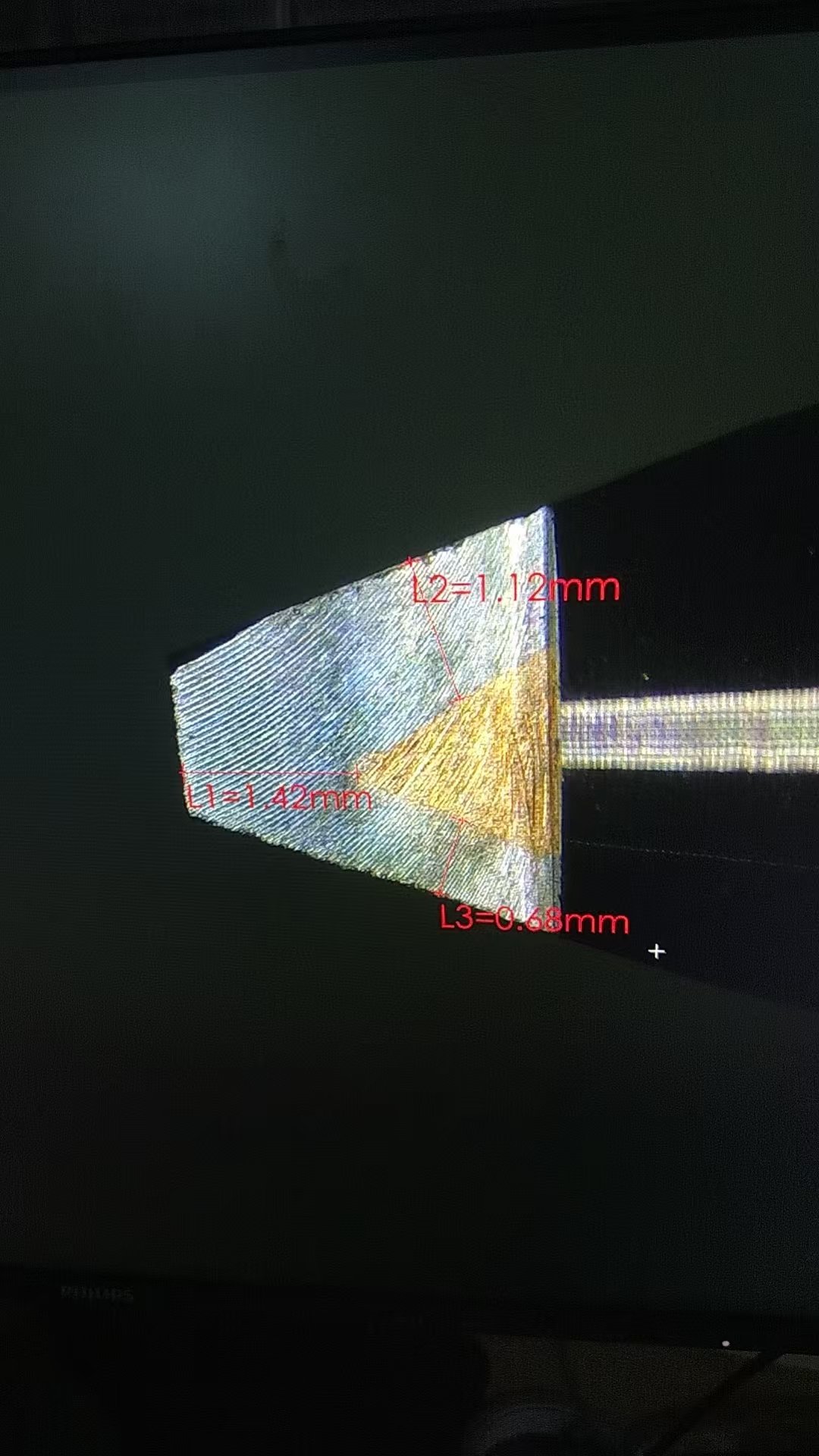
- Erosion of the copper core — dissolution into molten solder
- Chemical reaction with solder flux — corrosive flux residues attack the plating
- Mechanical wear during wiping — abrasive cleaning methods wear down the coating
Once the protective iron layer is gone, the copper core is exposed and the tip fails quickly.
How Factories Solve This Problem
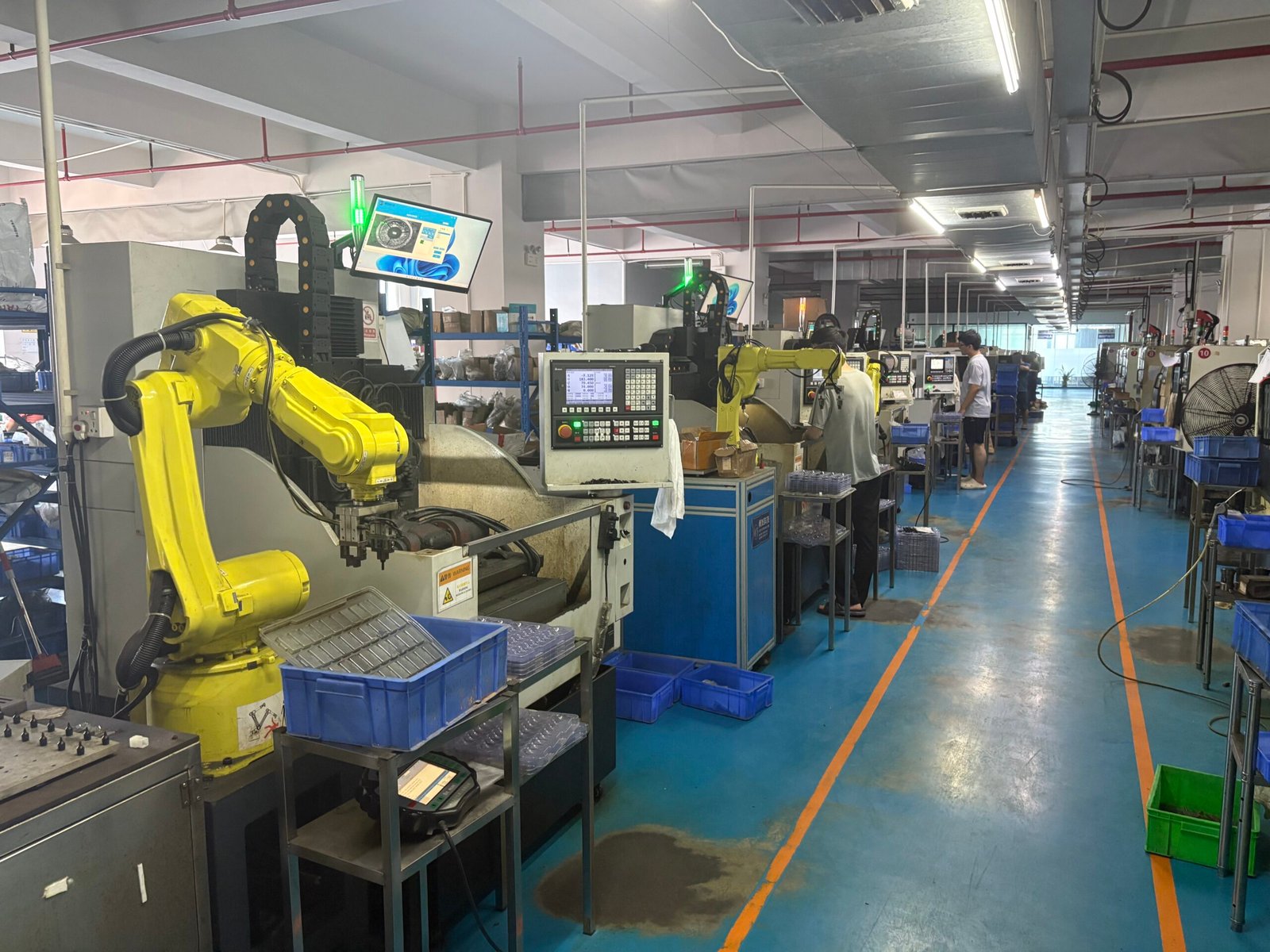
In industrial environments, we improve tip lifespan through engineering:
- Using high-quality iron plating processes with proper thickness control
- Optimizing tip geometry for balanced heat distribution
- Matching power system capacity to avoid overheating
- Designing application-specific tip shapes for each soldering task
How to Extend Soldering Tip Lifespan
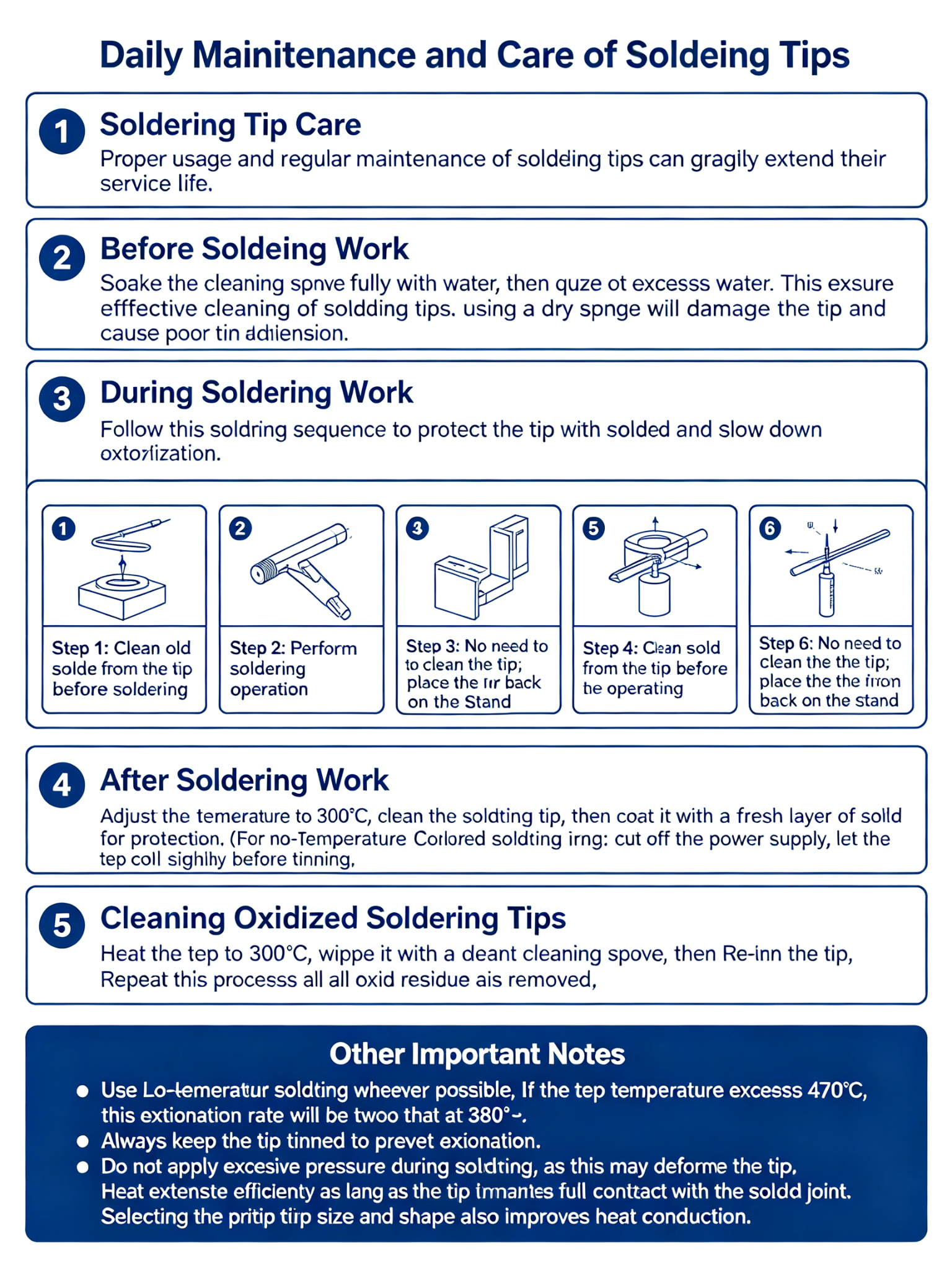
- ✅ Always keep the tip tinned before and after use
- ✅ Avoid unnecessarily high temperature settings
- ✅ Clean with proper sponge or brass wool — avoid abrasive materials
- ✅ Choose the correct tip model matched to your application and power system
Common Mistakes That Make Soldering Iron Tips Wear Out Faster
Many production teams wonder why their soldering iron tips wear out faster than the manufacturer’s stated lifespan. The most frequent culprit is temperature abuse — operators set the station to 420°C or higher “for faster heating,” not realizing that every 20°C above the rated range roughly doubles the oxidation rate of the iron plating. This is why soldering iron tips wear out in weeks instead of months on lines that run hot.
Another widespread mistake is skipping the tinning step during shift changes. When a tip cools down without a protective solder coat, the exposed iron layer oxidizes within minutes. By the next shift, the tip surface is already compromised, and each subsequent heating cycle accelerates the damage. This cycle is the primary reason soldering iron tips wear out prematurely in 24-hour factory environments where operators rotate but maintenance discipline is inconsistent.
For teams running 300W–1000W high-power systems, the thermal stress is even more severe. Standard off-the-shelf tips simply aren’t engineered for that level of continuous heat load, which is why soldering iron tips wear out so fast in high-power soldering applications without custom-engineered alternatives.
When Standard Tips Are Not Enough
If your production line faces any of these challenges:
- High power demand (300W–1000W+ systems)
- Continuous 24/7 operation
- Special geometry requirements
- Frequent and fast tip failure
Then standard off-the-shelf tips may not be sufficient. This is where custom soldering tip engineering becomes critical.
Need an Industrial Solution?
We design and manufacture:
- Custom soldering iron tips to your specifications
- High-power compatible tips (up to 1kW systems)
- Long-life industrial-grade tips with optimized plating
- Non-standard geometries for specialized production lines
Send your drawing or requirements to our team, and we will evaluate a customized solution for your process within 48 hours.
Frequently Asked Questions
How long should a soldering iron tip last?
Under normal use, a quality tip can last several months. In industrial environments, lifespan depends on power level, operating temperature, maintenance practices, and the solder materials used. With proper care and high-quality manufacturing, tips can last significantly longer.
Why does my soldering tip turn black?
Black discoloration is a sign of oxidation. It occurs when the tip is exposed to air at high temperature without adequate tinning protection, or when the iron plating layer has been compromised.
Can I use any tip for high-power soldering?
No. High-power soldering systems (300W and above) require tips with thicker iron plating, proper copper core geometry, and materials designed to handle thermal stress. Using standard tips in high-power applications will result in rapid failure.